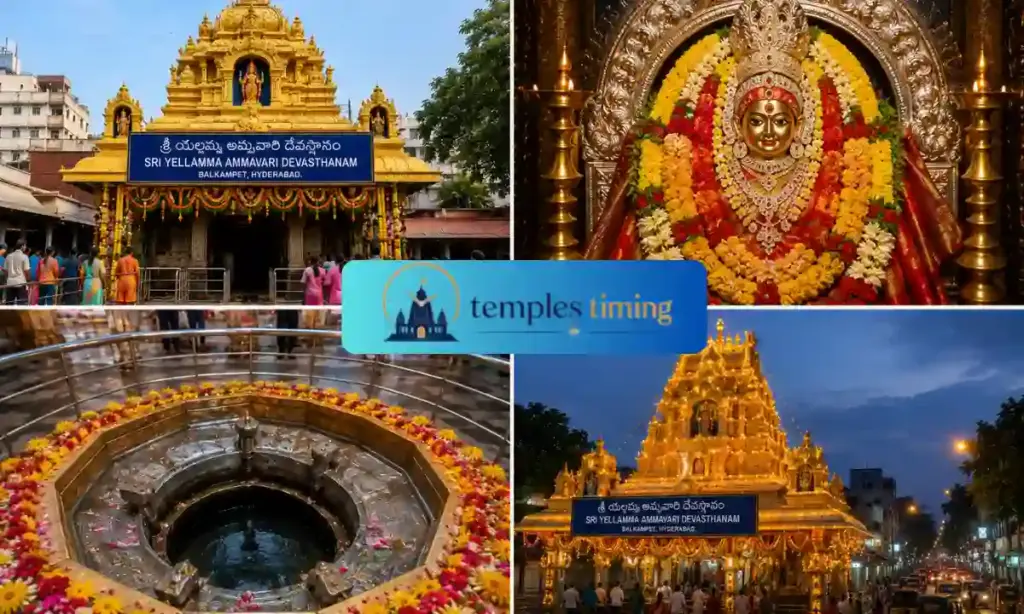
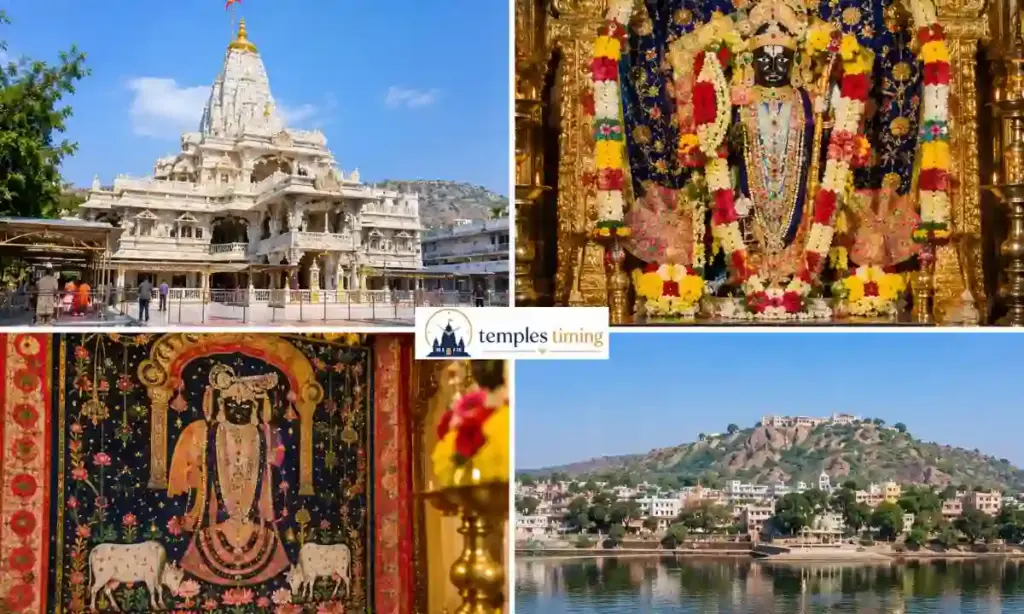
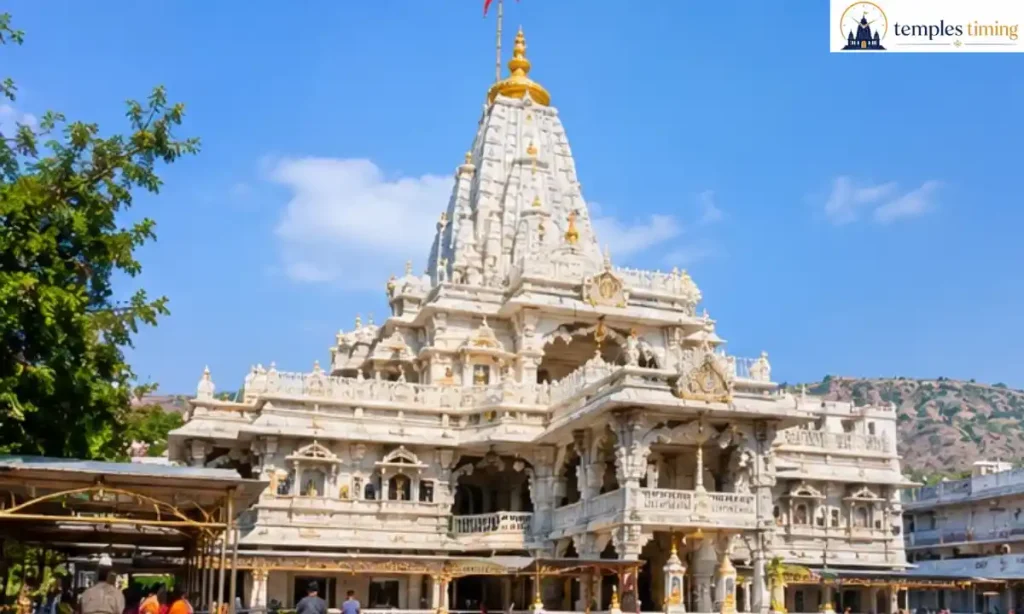
Nathdwara Temple is one of the most famous Krishna temples in Rajasthan, India. Also known as Shrinathji Temple, it is dedicated to Lord Shrinathji, a form of Lord Krishna. The temple is known for its spiritual atmosphere, traditional worship, beautiful decorations, and unique daily darshan rituals. Thousands of devotees visit Nathdwara every year to seek the blessings of Lord Krishna. If you are planning a pilgrimage, knowing the Nathdwara Temple timings, darshan schedule, festivals, dress code, and travel information will help you prepare for your visit.
Nathdwara Temple Timings
Shrinathji Temple follows a traditional schedule with different darshan sessions throughout the day. Each session represents a particular stage of the deity’s daily worship. Timings can change according to the season, festivals, and temple traditions.
| Darshan Name | General Timing |
|---|---|
| Mangla Darshan | Early morning |
| Shringar Darshan | Morning |
| Gwal Darshan | Morning |
| Rajbhog Darshan | Late morning |
| Uthapan Darshan | Afternoon |
| Bhog Darshan | Afternoon |
| Aarti Darshan | Evening |
| Shayan Darshan | Evening |
The exact opening and closing times of each darshan may vary from day to day. Visitors should check the current temple schedule before travelling, especially during festivals and special occasions.
About Nathdwara Shrinathji Temple
Shrinathji Temple is situated in Nathdwara town in Rajasthan’s Rajsamand district. The main deity, Lord Shrinathji, is worshipped as a child form of Lord Krishna, traditionally depicted lifting Mount Govardhan with his left hand. The temple is an important centre of the Pushtimarg tradition of Vaishnavism. Its worship includes devotional music, food offerings, elaborate clothing, and changing decorations. The temple is not only a religious landmark but also an important part of Nathdwara’s cultural identity.
History of Nathdwara Temple
According to religious tradition, the image of Lord Shrinathji was originally worshipped near Mount Govardhan in the Braj region. During the seventeenth century, the deity was moved to Rajasthan amid political uncertainty. The image was eventually established at Nathdwara, where a major temple developed around its worship. Over the centuries, Nathdwara became an important pilgrimage destination for devotees of Lord Krishna. The temple also helped the town develop a distinctive artistic tradition, particularly through Pichwai paintings depicting the deity and scenes from Krishna’s life.
Religious Significance of Nathdwara Temple
Lord Shrinathji represents the divine childhood form of Lord Krishna and is closely associated with the Govardhan Leela. According to Hindu tradition, Krishna lifted Govardhan Hill to protect the people of Braj from severe rain. Devotees visit the temple to pray for peace, prosperity, happiness, and family well-being. The daily darshan system reflects the belief that worshippers can participate in different moments of the deity’s daily routine.
Eight Darshans at Nathdwara Temple
1. Mangla Darshan
Mangla is the first darshan of the day. It represents the awakening of Lord Shrinathji after the night rest. Many devotees prefer this early-morning session to begin their pilgrimage.
2. Shringar Darshan
During Shringar Darshan, the deity is adorned with traditional clothing, jewellery, and decorative items. The appearance may change according to the season, religious calendar, and special celebrations.
3. Gwal Darshan
Gwal Darshan recalls Lord Krishna’s childhood association with cows and the cowherd community of Braj. It is an important part of the traditional worship sequence.
4. Rajbhog Darshan
Rajbhog is associated with the principal midday food offering to Lord Shrinathji. Devotees consider this an important darshan, and the temple may experience considerable crowds during this period.
5. Uthapan Darshan
Uthapan marks the deity’s awakening after the afternoon rest. It signals the continuation of the day’s devotional activities.
6. Bhog Darshan
Bhog Darshan is associated with another food offering to the deity. Its timing and arrangements depend on the temple’s daily routine.
7. Aarti Darshan
Aarti involves the devotional offering of lamps accompanied by prayers. It provides an opportunity for devotees to participate in the worship of Lord Shrinathji.
8. Shayan Darshan
Shayan is the final darshan of the day and represents the deity’s preparation for rest. Its timing can vary according to the season and temple calendar.
Pooja and Seva at Nathdwara Temple
The temple follows the Pushtimarg tradition, which emphasises loving devotion and personal service to Lord Krishna. Daily worship includes food offerings, devotional music, changing garments, and seasonal decorations. The temple’s rituals are arranged according to traditional practices rather than a single fixed pooja schedule. Devotees interested in special offerings or seva should enquire about current arrangements, availability, and any applicable charges before visiting.
Festivals Celebrated at Nathdwara Temple
Janmashtami
Janmashtami celebrates the birth of Lord Krishna. The temple is decorated for the occasion, and devotees gather for special prayers and religious celebrations.
Annakut Festival
Annakut is associated with Govardhan Puja and the offering of a variety of food items to Lord Krishna. It is one of the important festivals celebrated in Krishna temples.
Holi
Holi is celebrated with devotional traditions connected with Lord Krishna and the Braj region. Nathdwara’s celebrations reflect the temple’s distinctive religious customs.
Diwali
Diwali brings special worship and festive decorations. Devotees visit to offer prayers and seek blessings for prosperity and happiness.
Hindola Utsav
Hindola Utsav is a seasonal celebration during which the deity is placed on a decorated swing. The decorations may feature flowers, fabrics, and other artistic elements.
Festival arrangements and darshan timings can differ from the normal schedule. Visitors should plan for possible crowds and longer waiting times.
Best Time to Visit Nathdwara Temple
October to March is generally a comfortable period to visit Nathdwara because the weather is usually more suitable for travel and sightseeing. Festival periods are attractive for devotees who want to experience special celebrations, although crowds may be larger. For a convenient visit, check the darshan schedule in advance, arrive before the session you wish to attend, and allow extra time for queues and local transport.
Dress Code and Temple Rules
Visitors should wear clean and modest clothing suitable for a religious place. Traditional Indian attire is a respectful choice. Footwear should be removed in designated areas, and visitors should follow instructions given by temple staff. Photography and mobile phone use may be restricted in certain areas. Devotees should respect the temple’s customs, maintain cleanliness, and avoid disrupting the darshan queue.
Nathdwara Temple Location
Shrinathji Temple is located in Nathdwara town in the Rajsamand district of Rajasthan, India. The town lies in the Aravalli region, approximately 45–50 kilometres north of Udaipur by road, depending on the route. Visitors can reach Nathdwara by bus, taxi, or private vehicle from Udaipur and other nearby cities. Udaipur is a convenient major transport centre for many pilgrims travelling by train or air.
How to Reach Nathdwara Temple?
By Road
Nathdwara is connected to Udaipur, Rajsamand, and other destinations in Rajasthan through the regional road network. State buses, private buses, taxis, and personal vehicles are common options. Travel time and fares depend on the starting point and traffic conditions.
By Train
Udaipur City Railway Station is a major railway connection for visitors travelling to the region. From Udaipur, travellers can continue to Nathdwara by road. Check train availability and onward transport before starting your journey.
By Air
Maharana Pratap Airport in Udaipur is a convenient airport option for many visitors. From the airport, travellers can hire a taxi or use other available road transport to reach Nathdwara.
Local Transport
Auto-rickshaws and local taxis may be available for travelling around Nathdwara. During major festivals, traffic and parking can become busy, so it is advisable to allow extra time.
Nearby Places to Visit in Nathdwara
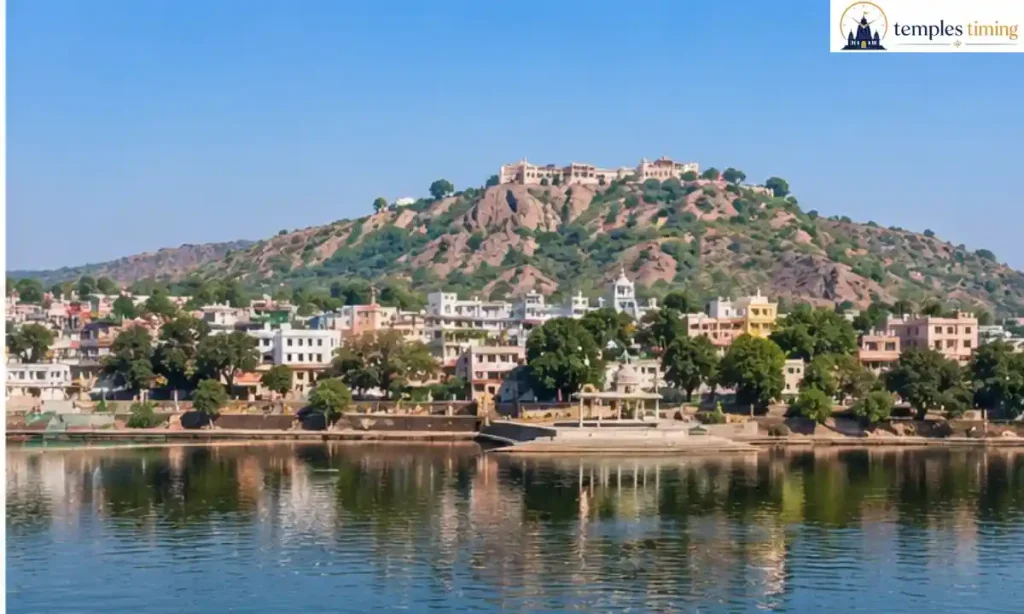
Nathdwara Local Market
The market near the temple offers devotional items, traditional clothing, souvenirs, and local products. Visitors can explore the shops before or after darshan, depending on the opening hours.
Udaipur
Udaipur is famous for its lakes, palaces, historic buildings, and cultural attractions. Travellers with additional time can combine their Nathdwara pilgrimage with sightseeing in Udaipur.
Rajsamand Lake
Rajsamand Lake is a well-known waterbody in the surrounding district. It is an option for visitors interested in local scenery and historical surroundings.
Eklingji Temple
Eklingji Temple, dedicated to Lord Shiva, is another important religious destination in the wider Udaipur region. Visitors should plan the journey separately and check its opening hours before travelling.
Interesting Facts About Nathdwara Temple
- The main deity worshipped at the temple is Lord Shrinathji, a form of Lord Krishna.
- The temple is an important centre of the Pushtimarg tradition.
- Daily worship is organised around eight traditional darshans.
- The deity’s clothing and decorations change according to the season and festival calendar.
- Nathdwara is well known for its traditional Pichwai paintings.
- Janmashtami and Annakut are among the important celebrations associated with the temple.
Conclusion
Nathdwara Shrinathji Temple is one of the most important religious destinations in Rajasthan, attracting devotees of Lord Krishna throughout the year. Its eight daily darshans, traditional rituals, beautiful decorations, and grand festivals make it a special place for spiritual experiences. Before planning your visit, check the latest Nathdwara Temple timings, as the darshan schedule may change according to the season and festivals. With proper planning, visitors can enjoy a peaceful darshan and explore the cultural and religious attractions of Nathdwara.
FAQs
1. What are the Nathdwara Temple timings?
The temple follows several darshan sessions throughout the day. Exact timings may change according to the season and religious calendar, so visitors should check the current schedule before travelling.
2. How many darshans take place at Nathdwara Temple?
The traditional daily worship system includes eight darshans: Mangla, Shringar, Gwal, Rajbhog, Uthapan, Bhog, Aarti, and Shayan.
3. What is Mangla Darshan?
Mangla Darshan is the first darshan of the day and represents the awakening of Lord Shrinathji.
4. What is Rajbhog Darshan?
Rajbhog Darshan is associated with the principal midday food offering to Lord Shrinathji.
5. Is there an entry fee at Nathdwara Temple?
General darshan arrangements may be available without an entry ticket, but visitors should confirm current temple rules and any charges for special services or facilities.
6. Which deity is worshipped at Nathdwara Temple?
The temple is dedicated to Lord Shrinathji, a child form of Lord Krishna.
7. What is the best time to visit Nathdwara Temple?
October to March is generally comfortable for travel. Visitors should select their preferred darshan session and arrive early.
8. How far is Nathdwara from Udaipur?
Nathdwara is approximately 45–50 kilometres from Udaipur by road, depending on the route.
9. Can darshan timings change during festivals?
Yes, special festivals and religious occasions may change the usual darshan schedule. Visitors should confirm the latest arrangements before departure.
Also Read About: Murudeshwar Temple Timings: Darshan, Pooja Schedule, History and Travel Guide