
Going to Sri Padmavathi Ammavari Temple on your visit plan? Knowing the Tiruchanoor Temple timings can make your trip more enjoyable and spiritually satisfying. The well-known Tiruchanoor Temple (also known as Alamelu Mangapuram) is located at Tiruchanoor near Tirupati in Andhra Pradesh. This popular temple is devoted to the goddess Padmavathi, wife of Lord Venkateshwara. Administered by the Tirumala Tirupati Devasthanams (TTD), this temple has been visited by thousands of devotees every year in search of blessings for financial success, marriages, good health, and happy family life.
As per the Hindu religion, the devotees are advised to take a trip to Sri Padmavathi Ammavari Temple either before or after taking the darshan of Lord Venkateshwaras at Tirumala as it is considered that the pilgrimage is incomplete without the blessings of the goddess Padmavathi. Well known for its serene environment, great Dravidian architecture, holy rituals, and annual festivals, the temple makes your visit memorable and rewarding. No matter whether you are going with your family members or undertaking a spiritual tour to Tirupati, here is everything you need to know about temple timings, history, darshan, sevas, travel information, and nearby places of interest.
Tiruchanoor Temple Darshan Timings
The temple is open every day for devotees and follows a regular schedule for darshan and daily rituals.
| Darshan Details | Timings |
|---|---|
| Temple Opens | 5:00 AM |
| Suprabhatam | 5:00 AM – 5:30 AM |
| Sarva Darshan | 5:30 AM – 12:00 PM |
| Afternoon Break | 12:00 PM – 3:00 PM |
| Evening Darshan | 3:00 PM – 8:30 PM |
| Ekanta Seva | 8:30 PM – 9:00 PM |
| Temple Closes | 9:00 PM |
Tiruchanoor Temple Daily Sevas and Ritual Schedule
The temple follows the Vaikhanasa Agama tradition and performs several sacred rituals every day.
| Seva | Time |
| Suprabhatam | 5:00 AM |
| Thomala Seva | 5:30 AM |
| Archana | 6:00 AM |
| Sarva Darshan | 6:30 AM onwards |
| Kalyanotsavam | Morning (Selected Days) |
| Kumkum Archana | Throughout the Day |
| Evening Aarti | Evening Hours |
| Ekanta Seva | 8:30 PM |
Tiruchanoor Temple Sevas and Approximate Ritual Cost
The temple offers several sevas for devotees who wish to participate in special worship.
| Seva | Approximate Cost |
| Kumkum Archana | ₹20–₹50 |
| Kalyanotsavam | ₹500–₹1,000 |
| Sahasranamarchana | ₹100–₹200 |
| Special Archana | ₹100 |
| Abhishekam (Selected Days) | As announced by TTD |
| Prasadam Counter | Nominal Charges |
About Tiruchanoor Temple
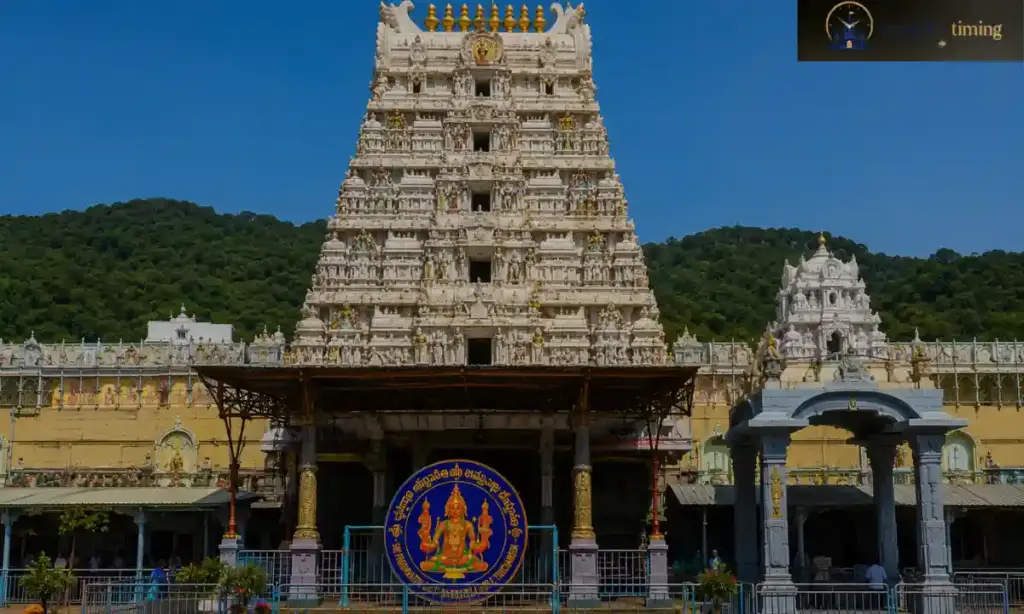
Sri Padmavathi Ammavari Temple is one of the most sacred Shakti temples in South India. This temple is dedicated to Goddess Padmavathi, who is considered to be the manifestation of the divine powers of Mother Earth that arose from the Golden Lotus at Padma Sarovaram. This deity is revered as the Goddess of Wealth, Prosperity, Mercy, and Conjugal Happiness. It is believed that devotees praying sincerely will find happiness in their lives and earn financial stability.
This temple is renowned for its amazing Dravidian architecture, majestic Rajagopuram, spacious mandapams, and spiritual ambience. Thousands of pilgrims throng this temple every day to pray to the Goddess and then proceed on their journey to Tirumala. Fridays, Navratri, and the annual Kartika Brahmotsavam festival are special occasions in this temple when various rituals and processions are performed.
Location of Tiruchanoor Temple
Sri Padmavathi Ammavari Temple, known as Tiruchanoor Temple, is situated in Tiruchanoor (Alamelu Mangapuram) in the Tirupati district of Andhra Pradesh in India. Located around 5 kilometres from the Tirupati city, Tiruchanoor Temple is among the major places of worship of Goddess Padmavathi. Easy accessibility of the place makes it convenient for devotees to visit the temple during their trip to Tirupati and Tirumala. The temple premises are enveloped in a serene environment along with proper roads and amenities for visitors.
History of Tiruchanoor Temple
The history of the Tiruchanoor Temple has a lot to do with the divine history of Lord Venkateswara and Goddess Padmavathi. According to legend, Goddess Padmavathi took birth in the form of an incarnation of Goddess Lakshmi in the golden lotus called Padma Sarovaram. She then got married to Lord Venkateswara. This temple was built in order to commemorate the divinity of the Goddess and bring wealth and joy to the devotees.
For many years, this temple was sponsored by different rulers of South India, namely, the Pallavas, Cholas, and Vijayanagara kings, who made several renovations in the temple. Currently, this temple is managed by the Tirumala Tirupati Devasthanams (TTD), which keeps the age-old traditions and glorious architecture of this temple alive.
Temple Architecture
Tiruchanoor Temple’s architecture is the epitome of grace in terms of traditional architecture style of temples in South India. The impressive Rajagopuram leads to the well-designed temple, which is marked by intricate carvings of stone pillars, wide halls and shrines. The inner sanctum of the temple has the beautiful deity of Padmavathi, decorated with ornamental jewellery, silk robes, and flower garlands.
Another important place in the temple is the Padma Sarovaram, where devotees conduct prayer sessions and celebrate religious rituals. The beautifully crafted mandapams, ancient sculptures and festival decorations give the temple an overall divine ambiance, which not only appeals to pilgrims but also to architecture lovers and photographers. Every nook and corner of the temple is an embodiment of centuries-old devotion and artistry, making it one of the best temples dedicated to Goddess Lakshmi.
Why Visit Tiruchanoor Temple?
Tiruchanoor Temple is one of the most sanctified pilgrimage sites in Andhra Pradesh and plays an important role in the lives of the devotees of Goddess Padmavathi. This holy place situated close to Tirupati is known to bless its devotees with prosperity, marital happiness, good luck, and spiritual well-being. As per tradition, many people believe that their Tirupati pilgrimage is not complete without visiting Goddess Padmavathi at Tiruchanoor. With its serene environment, well-maintained infrastructure, and divine ambiance, the temple is sure to provide an enriching spiritual experience. No matter whether your visit is purely spiritual or for religious tourism purposes, this temple is a definite must-visit destination for you.
Spiritual Significance of Goddess Padmavathi
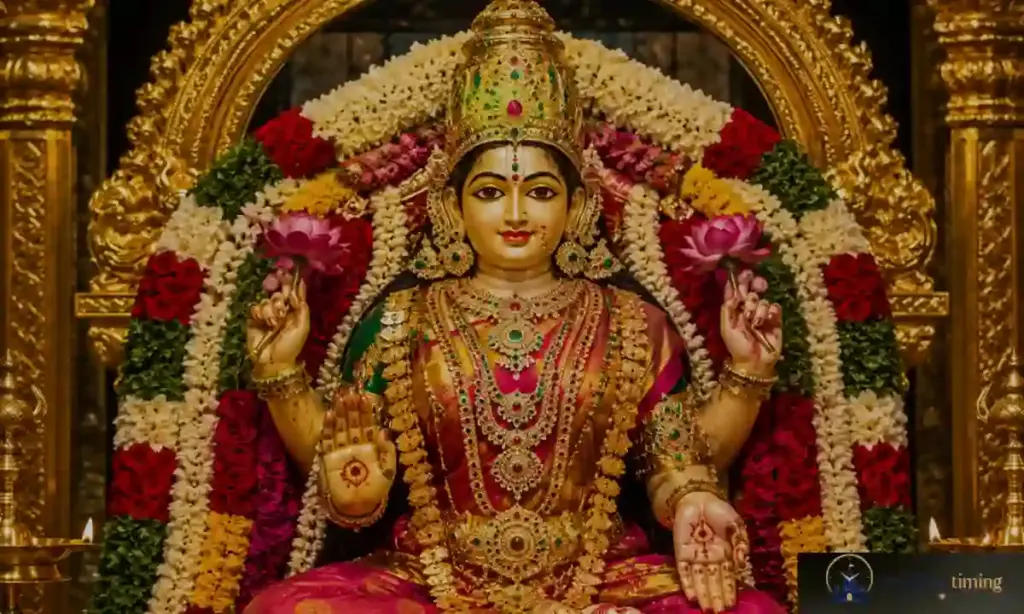
Goddess Padmavathi is regarded as the incarnation of Goddess Lakshmi, who is worshipped as the divine goddess of money and prosperity. It is believed that prayers to Goddess Padmavathi can rid people of their troubles and bring happiness and prosperity into their lives. People pray to get marital bliss, while students pray for academic success. Professional people pray for career success and prosperity, whereas families pray for good health and prosperity. The atmosphere of this temple promotes meditation and devotion, thus becoming an important place for people looking for spiritual solace. Every year, thousands of people visit this temple, full of faith, as they believe that the blessings of Goddess Padmavathi light up their entire life.
Temple Rules and Visitor Guidelines
Visitors are requested to maintain the sanctity of Tiruchanoor Temple by following the temple’s customs and regulations. Traditional and modest attire is recommended for all devotees entering the temple premises. Footwear should be deposited at the designated counters before proceeding for darshan, and visitors are expected to maintain silence and respect while inside the temple complex. Photography and videography are generally restricted inside the sanctum sanctorum to preserve the sacred atmosphere. Keeping the temple clean, avoiding plastic waste, and following the queue system contribute to a smooth and pleasant pilgrimage experience. Respecting these guidelines helps maintain the spiritual ambience that devotees cherish.
Best Time to Visit Tiruchanoor Temple
The best time to visit Tiruchanoor Temple would be between October and March due to pleasant climate conditions for sightseeing and visiting temples. Early morning and late evening time periods are quietest and offer an opportunity for visitors to enjoy their darshan without being exposed to the hot afternoon sun. Fridays are considered very favorable days for worshipping the goddess Lakshmi, hence many pilgrims gather on these days. Popular festivals in this temple include Kartika Brahmotsavam, Navaratri, and Varalakshmi Vratham. The best time for visiting the temple would be weekdays.
Dress Code for Tiruchanoor Temple
The devotees are advised to dress in neat traditional clothes when they visit the Tiruchanoor Temple. The males are expected to wear either dhoti, kurta, or formal attire. On the other hand, females are advised to dress in sarees or salwar kameez or other traditional Indian dresses. It is advisable to wear comfortable clothes during the summer season because the pilgrims will have to walk inside the premises of the temple. Clothing that is not appropriate for worship or that reveals too much should not be worn.
Why Tiruchanoor Temple Is Famous?
One of the most revered temples of Goddess Padmavathi Devi is the Tiruchanoor Temple. As per belief, Goddess Padmavathi is the divine wife of Lord Venkateshwara. Situated near Tirupati, the temple sees millions of visitors annually who come here to receive blessings in order to lead a successful life and have a blissful conjugal relationship, as well as good health and family happiness. As per the ancient customs, the pilgrimage to Tirumala remains incomplete without worshipping Goddess Padmavathi in the Tiruchanoor Temple. The divine ambiance of the temple created through its stunning Dravidian architecture and serene environment is what makes it a holy place for visitors.
Who Is Goddess Padmavathi?
Padmavathi Goddess is considered as an incarnation of Lakshmi, the Hindu deity who is the goddess of wealth, prosperity, and fortune. According to the holy texts, she appeared in a gold lotus from the sacred Padma Sarovaram representing purity, wealth, and divine blessings. She was subsequently married to Lord Venkateswara and hence becomes one of the most important gods in the Vaishnava tradition. Followers of Padmavathi Goddess believe that her worship eliminates financial problems and fosters harmonious relations within the family.
Importance of Visiting Tiruchanoor Before or After Tirumala
For many centuries now, the faithful have been observing the practice of paying homage at the Tiruchanoor Temple, which comes hand-in-hand with their visit to Tirumala. It is generally accepted that the worshiping of Mother Padmavathi is part and parcel of the pilgrimage to the Lord Venkateswara. Some pilgrims pay their respects to the goddess prior to their climb up to the Tirumala Hills, while some do so after fulfilling their darshan at Tirumala. This centuries-old tradition represents the blessings of both the Goddess and the Lord, thereby providing balance and happiness.
Temple Tank (Padma Sarovaram) Significance
The Padma Sarovaram is among the most religiously significant temples’ tanks that belong to the Tiruchanoor Temple. This temple’s legend says that Goddess Padmavathi appeared from the golden lotus flower that blossomed in this temple tank. The followers treat the tank as a symbol of purity and divine blessings, and they pray here during religious festivals. Panchami Theertham festival draws lots of pilgrims each year to watch special religious rites taking place in this tank. The peaceful environment of this tank makes it very important during visits to the Tiruchanoor Temple.
Prasadam Available at Tiruchanoor Temple
Taking prasadam after darshan forms an essential element of the pilgrim tour at Tiruchanoor Temple. Devotees can take different forms of holy prasadam such as Laddu, Pulihora (Tamarind Rice), Curd Rice, Sweet Pongal, Daddojanam, and many other traditional temple dishes. The prasad is offered to the Goddess with much reverence before distributing it to the devotees. The prasadam bought by the visitors is also taken back by them as an offering from the divine for their loved ones.
Temple Etiquette Every Devotee Should Follow
Following temple manners enables us to retain the sanctity of the Tiruchanoor Temple and ensures that all people have a wonderful time. All people visiting the temple are required to dress in decent attire, take off their shoes at the entrance of the temple, and keep quiet when in the praying zones. People are not allowed to take pictures in the holy zone, and they need to obey what is instructed by the temple workers. Being tidy and respectful to other devotees while lining up in darshan line is another custom of the temple.
Common Mistakes to Avoid During Your Visit
Planning correctly will definitely ensure that your experience at the Tiruchanoor Temple will be both pleasant and smooth. Most people visiting the temple for the first time usually do so during the period of the temple fests and forget the fact that there would be many more devotees around than usual. This may result in long wait periods. Dressing improperly, bringing along things not allowed in the temple, and violating the temple rules can cause you extra trouble.
Tiruchanoor Temple Trivia
- Tiruchanoor Temple is one of the most sacred temples dedicated to Goddess Padmavathi Devi, the divine consort of Lord Venkateswara, and is considered an essential part of the Tirupati pilgrimage.
- The temple is also popularly known as Sri Padmavathi Ammavari Temple and Alamelu Mangapuram Temple, as Goddess Padmavathi is lovingly worshipped as Alamelu Manga by devotees.
- According to temple tradition, Goddess Padmavathi emerged from a golden lotus in the sacred Padma Sarovaram, making the temple one of the holiest Lakshmi shrines in South India.
- Devotees believe that a pilgrimage to Tirumala is spiritually complete only after offering prayers at Tiruchanoor Temple, making it an important stop for millions of pilgrims every year.
- The temple follows the Vaikhanasa Agama tradition, where daily rituals, sevas, and festivals are performed according to ancient Vaishnavite scriptures that have been preserved for centuries.
- The annual Panchami Theertham festival is the most important celebration at Tiruchanoor Temple, attracting lakhs of devotees from across India who gather to witness the sacred ceremonial bath in Padma Sarovaram.
- Fridays are regarded as especially auspicious for the worship of Goddess Padmavathi, and the temple experiences a significantly larger number of devotees on this day every week.
- The magnificent Dravidian-style Rajagopuram, beautifully carved stone pillars, and traditional temple architecture make Tiruchanoor Temple an important example of South Indian religious heritage.
- The temple is administered by the Tirumala Tirupati Devasthanams (TTD), which also manages the world-famous Sri Venkateswara Swamy Temple at Tirumala.
- Many devotees offer Kumkum Archana to Goddess Padmavathi, believing that the ritual brings marital harmony, prosperity, financial stability, and family happiness.
Frequently Asked Questions About Tiruchanoor Temple Timings
What are the Tiruchanoor Temple timings?
Tiruchanoor Temple generally opens daily from 5:00 AM to 9:00 PM. Devotees can have darshan during the morning and evening sessions, with short breaks for daily rituals and sevas. Timings may vary slightly on festival days and special occasions.
Is there an entry fee for Tiruchanoor Temple?
No. General darshan is free for all devotees. However, special sevas, archanas, and other religious rituals may require a prescribed fee fixed by the temple administration.
Which deity is worshipped at Tiruchanoor Temple?
The temple is dedicated to Sri Padmavathi Ammavaru, an incarnation of Goddess Lakshmi and the divine consort of Lord Venkateswara. She is worshipped as the Goddess of wealth, prosperity, happiness, and marital bliss.
What is the best time to visit Tiruchanoor Temple?
The ideal time to visit is from October to March, when the weather is pleasant for sightseeing and pilgrimage. Early morning and evening hours usually provide a more peaceful darshan experience.
Why should devotees visit Tiruchanoor Temple?
According to temple tradition, devotees believe that a pilgrimage to Tirumala is spiritually complete only after receiving the blessings of Goddess Padmavathi at Tiruchanoor. Many visitors pray here for prosperity, marriage, good health, and family happiness.
Also Read About: Appalayagunta Temple Timings: Darshan, Aarti, Sevas, History, Entry Fee & Complete Travel Guide