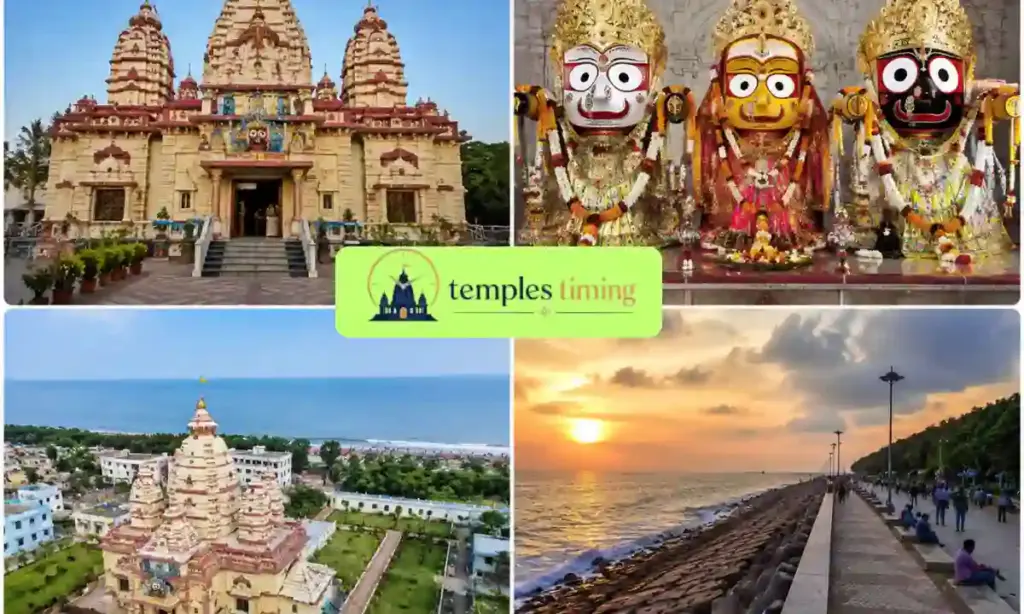
Digha Jagannath Temple Timings are some of the most commonly searched details by pilgrims planning to visit the holy coastal town of Digha located in the state of West Bengal. This glorious temple located near New Digha has been built in honor of Lord Jagannath, Lord Balabhadra, and Devi Subhadra and has gained immense popularity in the recent past. The temple inspired by the Jagannath Temple of Puri is a perfect amalgamation of religious devotion and splendid architecture.
If you are planning to visit the temple for an early morning darshan, attend the evening aarti or any of the many other events celebrated at this holy temple during major festivals such as the Rath Yatra then having a detailed knowledge about the timings of the temple will enable you to plan the trip accordingly. Other than worshipping, the pilgrim also gets the opportunity to have a relaxing time and take part in different rituals related to Lord Jagannath.
The detailed guide covers everything about the Digha Jagannath Temple from timings to history, architecture, rituals, approximate puja details, how to reach, nearby attractions, astrology, and much more.
Why Visit Digha Jagannath Temple?
One of the most tranquil and scenic pilgrim sites in West Bengal is Digha Jagannath Temple. This temple is built in dedication to Lord Jagannath, Lord Balabhadra, and Goddess Subhadra. It is a site visited by many pilgrims all through the year because of its splendid architectural design and tranquility. Pilgrims visit this temple to not only receive blessings from their deities but also enjoy the artistic beauty of the temple. The tranquil ambience makes it an ideal place for meditation and prayers as well as spending quality time with one’s family members.
Digha Jagannath Temple Location
Digha Jagannath Temple is situated in New Digha, located in the Purba Medinipur district of West Bengal, India. The temple is located in an idyllic location near the famed New Digha Beach, making it one of the most frequented destinations for religious and tourism purposes in the area. This makes it possible for people to perform their pilgrimage and enjoy sightseeing, beaching, shopping, and local cuisine during the same visit.
The temple is accessible by road and can be conveniently accessed from New Digha Railway Station, bus stop, and from Digha hotels. Auto-rickshaws, e-rickshaws, cycle-rickshaws, taxi, and other modes of local transportation are available. All amenities required for a comfortable visit such as restaurants, accommodation, parking, and souvenir shop, among others, are available around the temple vicinity.
Digha Jagannath Temple Timings
The temple follows a daily schedule for darshan, rituals, and aarti. While timings may change slightly during festivals or special religious occasions, the regular schedule is generally as follows.
| Darshan Schedule | Timings |
|---|---|
| Temple Opens | 6:00 AM |
| Morning Darshan | 6:00 AM – 12:30 PM |
| Temple Break | 12:30 PM – 3:00 PM |
| Evening Darshan | 3:00 PM – 9:00 PM |
| Evening Aarti | Around 7:00 PM |
| Temple Closes | 9:00 PM |
Note: During Rath Yatra, Janmashtami, New Year holidays, weekends, and other major festivals, the temple may remain open for longer hours depending on the crowd and temple administration.
About Digha Jagannath Temple
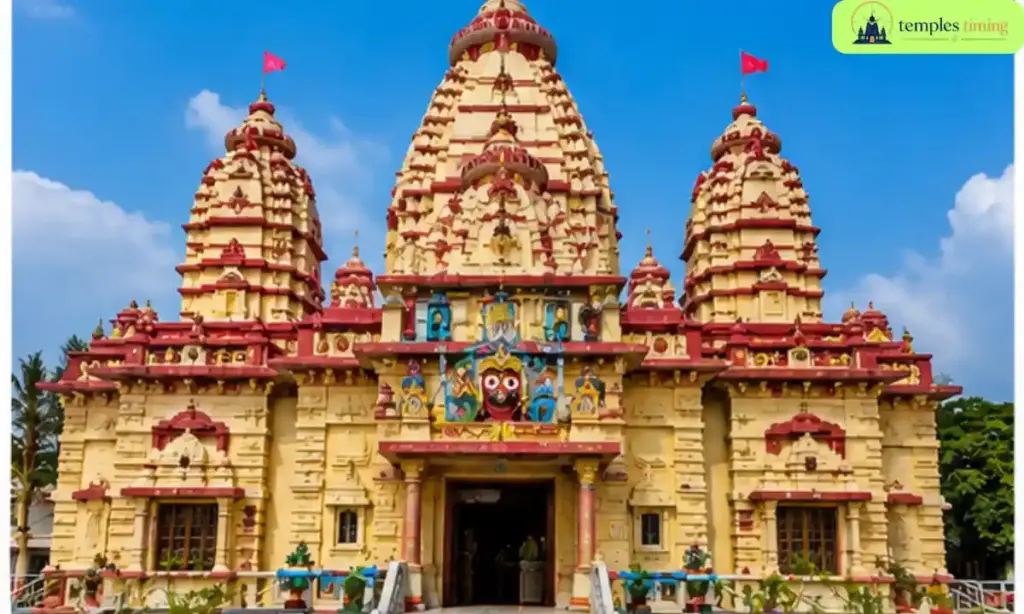
Digha Jagannath Temple is considered one of the recently built religious sites in West Bengal. Being located near the area of New Digha, the temple has gained fame owing to its wonderful architecture, serene ambiance, and religious significance. Thousands of pilgrims from West Bengal, Odisha, Jharkhand, Bihar, Assam, and other states in India annually pay homage at the holy shrine.
The temple contains stunning sculptures of Lord Jagannath, Lord Balabhadra, and Goddess Subhadra. Being constructed in the style typical for Kalinga, the temple resembles Odia temples in some ways but preserves its uniqueness. The cleanliness of the premises, landscaped garden, spacious paths, and peaceful atmosphere make the temple a perfect site for meditation, praying, and family visiting.
Unlike most of the bustling pilgrimage sites, Digha Jagannath Temple provides pilgrims with the opportunity of having a serene spiritual journey along with beach exploring.
History of Digha Jagannath Temple
Though this temple is much younger in comparison to some ancient temples of India, still this temple has made its place as one of the best pilgrimage spots in eastern India. The Government of West Bengal had conceptualized this temple as one among their initiatives towards promoting spiritual tourism in the coastal areas, while at the same time offering pilgrims with a sacred place in keeping with the traditions of Lord Jagannath.
This temple has got a design in tune with the timeless elegance of Odia temple architecture. Expert sculptors have crafted exquisite sculptures, pillars, and walls through sandstone that has made this temple look similar to those historical temples of Bhubaneswar and Puri. The design of each part of this temple has been done in such a way that the cultural heritage associated with Jagannath worship has been preserved.
After its opening, the temple has been visited by lakhs of devotees who visit it for both religious reasons as well as to see the fine craftsmanship of this temple. In the times of major festivities like Rath Yatra, the temple reverberates with devotional songs and prayer along with some cultural programs.
Today, this temple stands as the symbol of
Digha Jagannath Temple Temple Architecture
The architecture of the Digha Jagannath Temple perfectly portrays the traditional Kalinga style, which is why Odisha temples are known all over the world. Constructed using the finest sandstone, this temple features tall towers, finely engraved walls, ornamented pillars, and finely crafted doorways.
The main deity of the temple is housed in the sanctuary; the idols of Lord Jagannath, Lord Balabhadra, and Goddess Subhadra reside here, and there is ample space in the prayer hall for worshippers to offer their prayers. Decorative engravings showing scenes from mythology, floral patterns, and other designs can be seen on the walls of the temple, demonstrating the fine craftsmanship of Indian craftsmen.
With the rays of the sun shining on the sandstone exteriors of the temple at sunrise and sunset, it appears to be golden, and this gives an absolutely stunning view that lures not only pilgrims but also photographers.
Digha Jagannath Temple Deities Worshipped
The temple is dedicated to the divine siblings who are worshipped across India for their compassion and blessings.
- Lord Jagannath
- Lord Balabhadra
- Goddess Subhadra
Devotees believe that worshipping these deities together brings harmony, prosperity, happiness, and spiritual growth to one’s life.
Digha Jagannath Temple Daily Rituals and Aarti
This temple continues with the practice of customary Vaishnava rituals throughout the day. There are various ritualistic worships performed by priests from morning onwards when the temple is opened.
Darshans, flower offerings, fruit offering, sweet offerings, and prayer ceremonies are conducted by devotees in the temple, whereas hymns provide spiritual ambience inside the temple.
Evening aarti ceremony is believed to be a spiritually uplifting experience. Mantra singing, bell ringing, blowing of conch shells, and lamp lighting make the ambience divine and fill the visitors with a feeling of tranquility and devotion.
Visitors are advised to reach the temple half an hour before the evening aarti ceremony so as to find a convenient spot for darshans especially on weekends and holidays.
Facilities Available at Digha Jagannath Temple
There are various facilities provided by the temple to make sure that the devotees and tourists are comfortable during their visit to the temple. Well-built paths, clean environment, places for drinking water, sitting arrangements, parking spaces are some of the facilities available around the temple premises. Washrooms and small stalls that sell flowers, prasad, and other religious items are also available around the temple. On weekends and festive occasions, there is the help of the security guards to manage queues.
Local Food to Try Near the Temple
Tourists visiting Digha Jagannath Temple will surely miss the delectable food offered by the coastal place. There are plenty of restaurants, eating joints, and food stalls in the locality of the temple offering authentic Bengali food along with fresh seafood. Visitors can choose from a wide range of foods based on their tastes whether it is a complete meal or just some snacks.
Some of the favorite items among tourists are fresh fish curry, preparation with prawns, crab preparation, and fried pomfret. Those who love non-vegetarian foods can have these items, whereas visitors preferring vegetarian dishes can enjoy Bengali-style vegetable curries, dal, luchi, khichuri, and seasonal delicacies. Some traditional Bengali desserts like Rasgulla, Mishti Doi, Sandesh, Chomchom, and Pantua are also abundantly available.
In addition to these, there are some other foods such as coconut water, tea, local snacks, and Bengali thalis available at inexpensive rates.
Shopping Near Digha Jagannath Temple
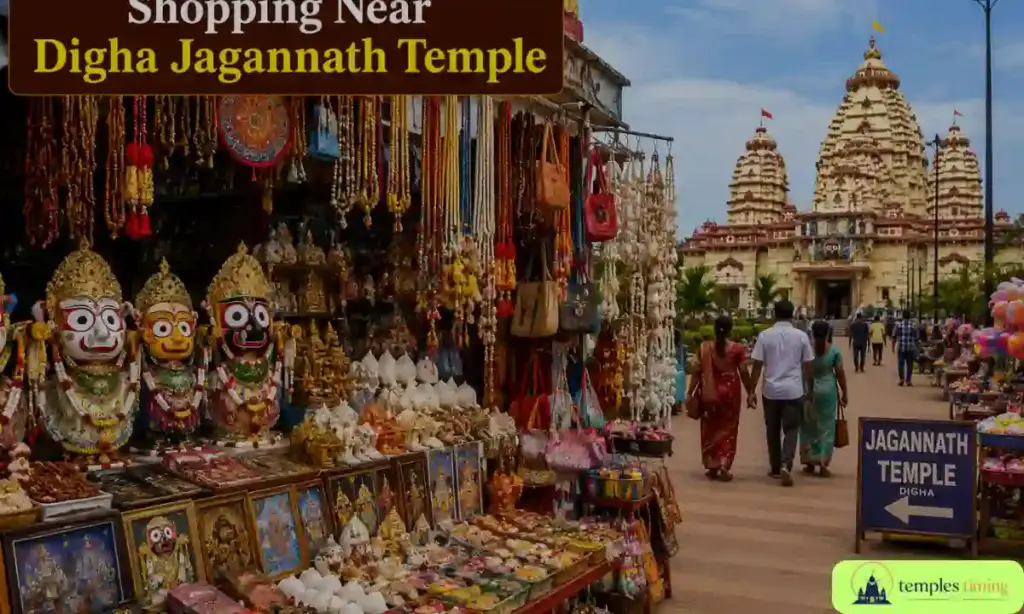
The market areas near the Digha Jagannath Temple offer a delightful shopping experience to all travelers visiting the temple. From souvenir items related to religion to local products, there is a great diversity in the items available that depict the rich culture of the place. These markets are ideal places to purchase souvenirs and other items before leaving the place.
The common items found in the markets for sale include exquisitely designed idols of Lord Jagannath, framed religious pictures, prayer beads, incense sticks, conch shell, seashell crafts, decorative lamps, brass pooja items, and Bengali handicrafts. The visitors can also purchase handmade jewelry, beautiful keychains, seashells, bags, woodcraft, and other decorative home items.
The food lovers will get the local sweets, pickles, spices, dry items, and packaged seafood in these markets which can be gifted to their families and friends. Buying items from these local markets adds to the overall travel experience along with helping local craftspeople.
Shopping Near Digha Jagannath Temple
A visit to Digha Jagannath Temple can also be complemented with a great shopping spree. The markets located near the temple provide one with religious souvenir options, Lord Jagannath idols, conch shells, handmade decorations, seashells jewelry, key chains, and traditional Bengali handicrafts. One can also shop for some local sweet dishes, snacks, and gift items made by hand to take back as a souvenir of the pilgrimage journey.
Nearby Beaches to Explore
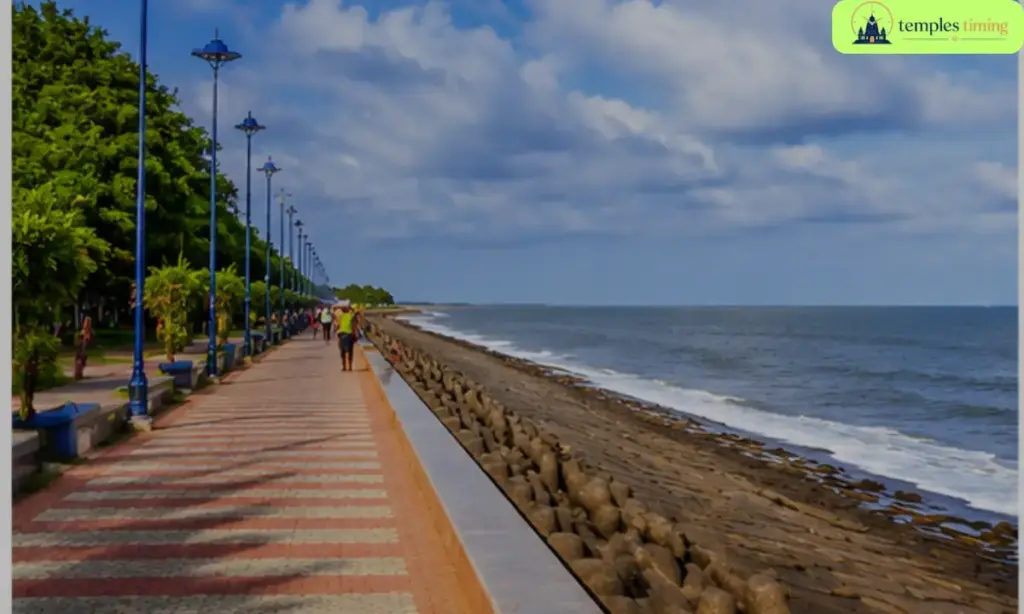
Digha Jagannath Temple is perfectly situated near some of the most stunning beaches of the Bay of Bengal and gives the pilgrims a chance to blend spirituality with beach relaxation. Every beach will provide a different experience ranging from early morning sunrises to water sports.
New Digha Beach
The New Digha Beach is the nearest and most popular beach in the vicinity of the temple. This beach is famous for its cleanliness, ample space for walking and picnic as well as family fun activities. Visitors may relax at the beach and enjoy the refreshing sea breeze along with a nice view of the sunrise, and they may also take camel and horse rides and enjoy tasty snacks offered by the food vendors at the site.
Old Digha Beach
Old Digha Beach, situated close to the temple, has a rocky shoreline and is well-known for its amazing sunsets. This is one of the most ancient tourist sites in the area and is still considered an ideal spot for photography lovers. One can listen to the roar of the waves, shop around for souvenirs, or just sit back and watch the sunset over the Bay of Bengal.
Udaipur Beach
Located in proximity to the borders of West Bengal and Odisha, Udaipur Beach is known for being more peaceful than other popular beaches in Digha. With its sandy beach, casuarina trees, and serene ambiance, Udaipur Beach serves as a great place to visit for people who love nature and peace.
Shankarpur Beach
Shankarpur Beach lies only about a drive away from Digha and offers an idyllic fishing harbor and tranquil environment. It does not have as much commercial activity compared to other beaches, thus offering a serene place for people who like to have peace on the beach. Enjoying the breeze coming from the sea while watching fishermen bring in their catch is one experience worth noting at Shankarpur Beach.
Tajpur Beach
Yet another breathtaking location is Tajpur Beach that is popular for its red crab communities, pristine shores, and calm environs. Tourists who love adventure sports can participate in beach camping and water sports as well. As a result of the serene surroundings and natural beauty of Tajpur Beach, it is one of the best places for families, couples, and nature photographers.
Thus, visiting these nearby beaches after receiving blessings from Lord Jagannath will give you yet another experience to cherish forever.
Digha Jagannath Temple Garden View
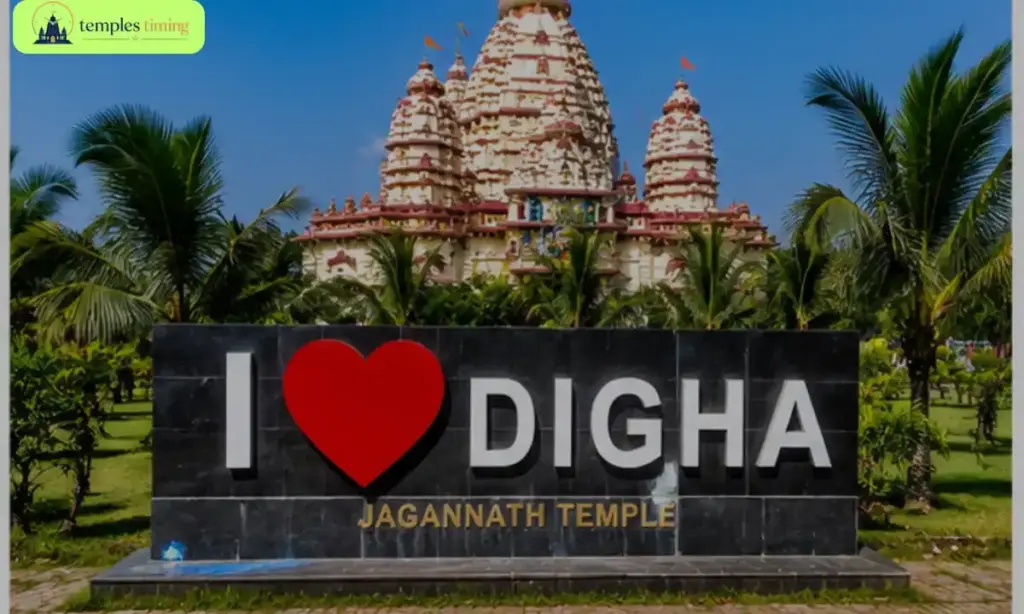
The lush green garden that surrounds the Digha Jagannath Temple adds to the spiritual aura of this holy place. Green lawns, beautiful seasonal flowers, paved pathways, and ornamental plants contribute to a peaceful ambiance in which devotees can sit back and meditate after paying homage to their deities. The well-kept garden serves as a beautiful contrast to the splendid sandstone structure of the temple, and is definitely one of the most enchanting places inside the temple premises. Visitors usually spend some time relaxing amidst this serene ambiance, taking beautiful photos, and marveling at the magnificent view of the temple from various angles.
Digha Jagannath Temple Trivia
- A Modern Tribute to Lord Jagannath: Unlike the centuries-old Jagannath Temple in Puri, the Digha Jagannath Temple is a modern shrine that carries forward the same traditions and devotion in a beautifully designed setting.
- Inspired by Kalinga Architecture: The temple is constructed in the traditional Kalinga style, featuring a towering shikhara, finely carved sandstone walls, and intricate sculptures that reflect the architectural heritage of Odisha.
- Dedicated to the Divine Trinity: The sanctum enshrines Lord Jagannath, Lord Balabhadra, and Goddess Subhadra. Devotees believe that worshipping the three deities together symbolizes unity, harmony, and divine protection.
- One of Digha’s Most Visited Landmarks: Since its inauguration, the temple has become one of the top attractions in Digha, welcoming thousands of pilgrims and tourists every day, especially during weekends and festivals.
- A Temple Close to the Sea: One of the unique features of this shrine is its location near the Bay of Bengal. Visitors can experience a peaceful temple darshan and later enjoy the scenic beauty of Digha’s beaches on the same day.
- Magnificent Evening Illumination: After sunset, the temple is beautifully lit with decorative lights, highlighting its sandstone carvings and majestic structure. The illuminated temple creates a mesmerizing spiritual atmosphere.
- A Peaceful Spiritual Retreat: Unlike many crowded pilgrimage centres, the spacious temple complex, landscaped gardens, and clean surroundings provide a calm environment for meditation, prayer, and quiet reflection.
- Rath Yatra Celebrations Draw Huge Crowds: The annual Rath Yatra is one of the grandest festivals celebrated at the temple. Devotees from West Bengal, Odisha, Jharkhand, Bihar, and neighbouring states gather to participate in the colourful procession and seek Lord Jagannath’s blessings.
- Excellent Photography Spot: While maintaining respect for temple rules, the exterior architecture and beautifully maintained gardens make the temple one of the most photographed religious sites in Digha.
- Symbol of Spiritual Tourism in West Bengal: The temple has played an important role in promoting religious tourism in the coastal region, attracting visitors who wish to combine pilgrimage with a relaxing beach holiday.
- Believed to Bring Divine Blessings: Devotees believe that offering sincere prayers to Lord Jagannath at this temple helps remove obstacles, brings prosperity, strengthens family relationships, and fills life with peace and positive energy.
- Perfect for a One-Day Pilgrimage: Thanks to its convenient location near New Digha Beach, parks, markets, and other tourist attractions, the temple is considered an ideal destination for a fulfilling one-day spiritual and sightseeing trip.
- A Blend of Devotion and Culture: Beyond being a place of worship, the temple serves as a centre for preserving the traditions of Lord Jagannath through religious ceremonies, devotional music, and festival celebrations throughout the year.
- An Ideal Sunrise Destination: Many visitors prefer arriving early in the morning when the temple opens. The cool coastal breeze, peaceful surroundings, and less crowded atmosphere create a refreshing and spiritually uplifting start to the day.
- A Must-Visit for Every Digha Traveller: Whether you are a devotee seeking blessings, an admirer of temple architecture, or a tourist exploring Digha, the Jagannath Temple offers an unforgettable experience that combines faith, culture, and natural beauty in one place.
Frequently Asked Questions
What are the Digha Jagannath Temple timings?
The Digha Jagannath Temple is generally open daily from 6:00 AM to 9:00 PM. Darshan is usually available in the morning from 6:00 AM to 12:30 PM and in the evening from 3:00 PM to 9:00 PM. Timings may vary during major festivals and special religious events.
Is there any entry fee to visit Digha Jagannath Temple?
No. Entry to the Digha Jagannath Temple is free for all devotees and visitors. There is no charge for general darshan.
Which deities are worshipped in the Digha Jagannath Temple?
The temple is dedicated to Lord Jagannath, Lord Balabhadra, and Goddess Subhadra. These three deities are worshipped together and hold great significance in the Jagannath tradition.
What is the best time to visit Digha Jagannath Temple?
The temple is dedicated to Lord Jagannath, Lord Balabhadra, and Goddess Subhadra. These three deities are worshipped together and hold great significance in the Jagannath tradition.
What is the best time to visit Digha Jagannath Temple?
The best time to visit is between October and March, when the weather is pleasant for sightseeing and temple visits. Early mornings and evenings are also ideal for a peaceful darshan and attending the evening aarti.
How much time is required to explore the temple?
Most visitors spend 30 minutes to 1 hour at the temple. If you wish to attend the aarti, meditate, or explore the temple complex at a relaxed pace, you may need around 1 to 2 hours.
Is photography allowed inside the temple?
Photography is generally permitted in the outer temple premises, but photography inside the sanctum sanctorum may be restricted. Visitors should always follow the instructions of the temple authorities.
Are special pujas or sevas available at the temple?
The temple conducts regular worship and special rituals on auspicious occasions. Depending on the festival or temple administration, devotees may be able to participate in special pujas by making the prescribed offerings. It is advisable to enquire at the temple office for the latest details.
Which festival is celebrated with the greatest enthusiasm at Digha Jagannath Temple?
The Rath Yatra (Chariot Festival) is the most significant celebration at the temple. Thousands of devotees gather to witness the grand procession and participate in the festive rituals dedicated to Lord Jagannath.
Also Read About: Bhadrakali Temple Warangal Timings: Darshan, Aarti, Pooja, History, Rituals & Complete Visitor Guide